Personal mobility in Pakistan is changing. With rising fuel prices, increasing traffic congestion, and worsening air pollution, many people are now asking a simple but important question:
What exactly is an electric cycle—and can it really work in Pakistan?
This blog is written for anyone who is hearing about electric cycles for the first time and wants a clear, honest explanation without technical jargon.
What Is an Electric Cycle?
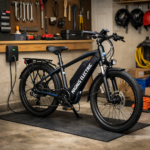
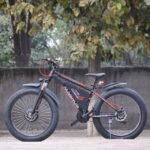
An electric cycle is a bicycle that uses an electric motor and a rechargeable battery to assist your movement. Unlike petrol bikes, it does not require fuel, oil changes or engine maintenance.
You can ride an electric cycle in two ways:
- Pedal-assisted: You pedal, and the motor helps reduce effort
- Throttle-assisted: The motor moves the cycle without pedaling (depending on the model)
This makes electric cycles ideal for:
- Daily commuting
- Short city travel
- Students and office workers
- Fitness and recreational riding
Most importantly, electric cycles produce no tailpipe emissions, making them a clean alternative for urban transport in Pakistan.
How Does an Electric Cycle Work?
At its core, an electric cycle uses a simple and reliable system designed for everyday use.


1. Electric Motor
The motor provides power to move the cycle forward. When you accelerate or pedal, the motor assists you, making riding easier—especially on inclines or long routes.
2. Rechargeable Battery
The battery stores electricity that powers the motor. It is rechargeable using a standard household power socket, just like a laptop or mobile phone.
3. Controller
This is the “brain” of the electric cycle. It manages how much power the motor uses based on speed and riding conditions.
4. Throttle and Pedals
You control the cycle either by pedaling, using the throttle, or a combination of both—giving flexibility based on your comfort and fitness level.
How Is an Electric Cycle Different from a Petrol Bike?
Many people confuse electric cycles with petrol bikes. The difference is significant.
Key Differences at a Glance
- Fuel vs Electricity
Petrol bikes run on fuel. Electric cycles run on electricity. - Maintenance
Petrol bikes require engine servicing, oil changes, and frequent repairs.
Electric cycles have fewer moving parts and much lower maintenance needs. - Noise and Pollution
Petrol bikes are noisy and polluting.
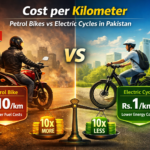
Electric cycles are quiet and emission-free. - Daily Cost
Petrol bikes are affected by fuel price hikes.
Electric cycles cost a fraction per kilometer to operate.
For short to medium daily commutes, electric cycles offer a simpler and cleaner solution.
Can Electric Cycles Work in Pakistan?
This is the most common concern—and the answer is yes, when used correctly.
1. Road Conditions
Electric cycles are well-suited for:
- City roads
- Housing societies
- University campuses
- Office routes
- Short urban commutes
They are not designed for highways or high-speed intercity travel—and understanding this builds realistic expectations.
2. Electricity and Charging
Electric cycles can be charged:
- At home
- In apartments
- In offices
Charging typically takes a few hours and uses very little electricity compared to household appliances.
Even with load-shedding, most users charge overnight or during off-peak hours without inconvenience.
3. Weather and Safety
Modern electric cycles are designed to handle:
- Heat
- Dust
- Normal rain conditions
Like any two-wheeler, sensible riding and basic care ensure long-term reliability.
Who Is an Electric Cycle Best For?
Electric cycles are especially suitable for:
- Students commuting to universities or colleges
- Office workers traveling daily within the city
- Household users running local errands
- Fitness enthusiasts who want assisted cycling
They are ideal for people who want independence from fuel prices without compromising convenience.
Why Electric Cycles Matter for Pakistan’s Future
Pakistan faces two growing challenges:
- Rising air pollution in major cities
- Increasing cost of personal transportation
Electric cycles address both by offering:
- Clean mobility
- Affordable daily commuting
- Reduced dependence on imported fuel
As cities grow and traffic increases, electric two-wheelers are becoming a practical part of urban mobility—not a trend, but a necessity.
Final Thoughts
An electric cycle is not meant to replace every vehicle on the road. It is designed to replace unnecessary petrol usage for short, daily trips.
For many Pakistanis, it represents:
- Lower running costs
- Simpler ownership
- Cleaner living