When people first consider switching to an electric cycle, safety is usually the first concern. This is understandable. Roads in Pakistan vary widely in quality, traffic can be unpredictable, and weather conditions range from intense summer heat to monsoon rains.
So the real question is not whether electric cycles are safe in theory—but whether they are safe in the real-world conditions of Pakistan.
This blog addresses that concern honestly and practically.
Understanding Safety in the Pakistani Context
Safety is not a single feature; it is a combination of road conditions, riding environment, vehicle design, and rider behavior. Electric cycles are designed primarily for urban mobility, which means their safety depends heavily on whether they are used for the purpose they are built for.
In cities, most daily travel involves short to medium distances, moderate speeds, and frequent stops. These are exactly the conditions where electric cycles are meant to operate.
How Electric Cycles Perform on Pakistani Roads


Urban roads in Pakistan often include uneven patches, speed breakers, and congested traffic. Electric cycles are generally well-suited for this environment because they are lightweight, easy to control, and designed for stable low-to-medium-speed travel.
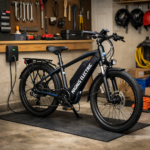
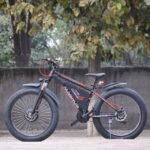
Most modern electric cycles are built with reinforced frames and dependable braking systems. Fat-tyre models, in particular, offer additional stability on uneven surfaces and poorly maintained roads. When used within cities and residential areas, electric cycles provide predictable handling and good balance.
It is important to be clear, however, that electric cycles are not designed for highways or high-speed intercity travel. Using them within their intended limits is a key part of staying safe.
Riding in Traffic: Control and Predictability
City traffic is often stop-and-go, which can be tiring on petrol bikes due to clutch and gear usage. Electric cycles offer smoother power delivery, which makes them easier to control in congested areas.
Acceleration is gradual and predictable, reducing the risk of sudden jerks or loss of balance. For students and office commuters, this makes daily riding less stressful and more manageable, especially during peak hours.
Are Electric Cycles Safe in Rain and Dust?


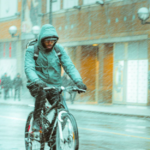
Rain and dust are common concerns, particularly during the monsoon season. Electric cycles are designed with water-resistant components, including sealed motors and protected wiring. This allows them to handle normal rain and wet roads without issue.
That said, safety in rain depends more on riding habits than on the vehicle itself. Reduced speed, controlled braking, and avoiding deep standing water are important for any two-wheeler—electric or petrol.
Dust is less of a problem for electric cycles because they do not rely on air-fuel combustion. With fewer exposed mechanical parts, regular cleaning and basic care are usually enough to keep performance consistent.
Battery Safety: Separating Fact from Fear
Battery safety is often misunderstood, largely due to misinformation in the market.
Electric cycles use lithium-ion batteries, the same technology used in everyday devices such as smartphones and laptops. These batteries are designed with built-in protection systems that prevent overcharging, overheating, and short circuits when used correctly.
From our experience at Magnus Electric, most battery-related issues reported in the broader market are not caused by the technology itself, but by poor-quality components, improper charging practices, or lack of after-sales guidance. Choosing a well-built electric cycle and following recommended usage practices significantly reduces risk.
Heat and Summer Usage in Pakistan
High temperatures are a reality in many parts of Pakistan. Electric cycles are built to operate safely within normal urban temperature ranges, but responsible use plays an important role.
Simple practices such as avoiding prolonged parking in direct sunlight, charging in ventilated areas, and following manufacturer guidelines help maintain battery health and overall safety during summer months.
Rider Responsibility: The Most Important Safety Factor
No vehicle can compensate for unsafe riding habits. Electric cycles are safest when riders:
- Follow traffic rules
- Wear protective gear such as helmets
- Maintain reasonable speeds
- Use lights in low-visibility conditions
Electric cycles naturally encourage calmer riding due to their design, which can reduce aggressive behavior commonly seen with petrol bikes.
Who Should Be More Cautious?
Electric cycles may not be suitable if your daily use involves:
- High-speed highway riding
- Very long-distance travel
- Carrying extremely heavy loads regularly
Understanding these limitations is part of safe and responsible ownership.
Final Thoughts
Electric cycles are safe to use on Pakistani roads and in local weather conditions when they are used as intended and maintained properly. For urban commuters, students, and everyday city riders, they offer a controlled, quiet, and low-stress alternative to petrol bikes.
Safety is not about eliminating all risk—it is about choosing the right vehicle for the right purpose. In that context, electric cycles fit well into the realities of daily urban mobility in Pakistan.