Electric cycles are gaining attention across Pakistan, but with any new technology—especially one that challenges long-standing habits—misinformation spreads quickly. Many people form opinions based on hearsay rather than real-world understanding.
In Pakistan, where petrol bikes have dominated personal transport for decades, electric cycles are often judged unfairly. This blog addresses the most common myths and explains the reality behind them, so you can make an informed decision.
Myth 1: Electric Cycles Are Not Powerful Enough for Daily Use
One of the most widespread assumptions is that electric cycles are slow or weak. This perception usually comes from comparing them to high-speed petrol bikes or assuming they function like ordinary bicycles.
In reality, electric cycles are designed specifically for urban commuting, not racing or highway travel. Their motors are tuned to deliver consistent power at city-appropriate speeds, making them well-suited for daily travel, traffic signals, and frequent stops.
For commuting within cities, controlled acceleration and steady performance matter far more than top speed—and this is where electric cycles perform well.
Myth 2: Electric Cycles Cannot Handle Pakistani Roads
Another common belief is that electric cycles are too fragile for local road conditions. Given uneven surfaces and poor maintenance in some areas, this concern is understandable.
Modern electric cycles are built with reinforced frames, reliable braking systems, and tires designed to absorb everyday road imperfections. Fat-tyre models, in particular, offer added stability and comfort on uneven surfaces.
Like any two-wheeler, electric cycles perform best when used within their intended environment—urban roads, housing societies, campuses, and daily commute routes.
Myth 3: Electric Cycles Are Dangerous in Rain
Rain-related safety concerns often stem from confusion about electricity and water. Many people assume that riding an electric cycle in rain is inherently unsafe.
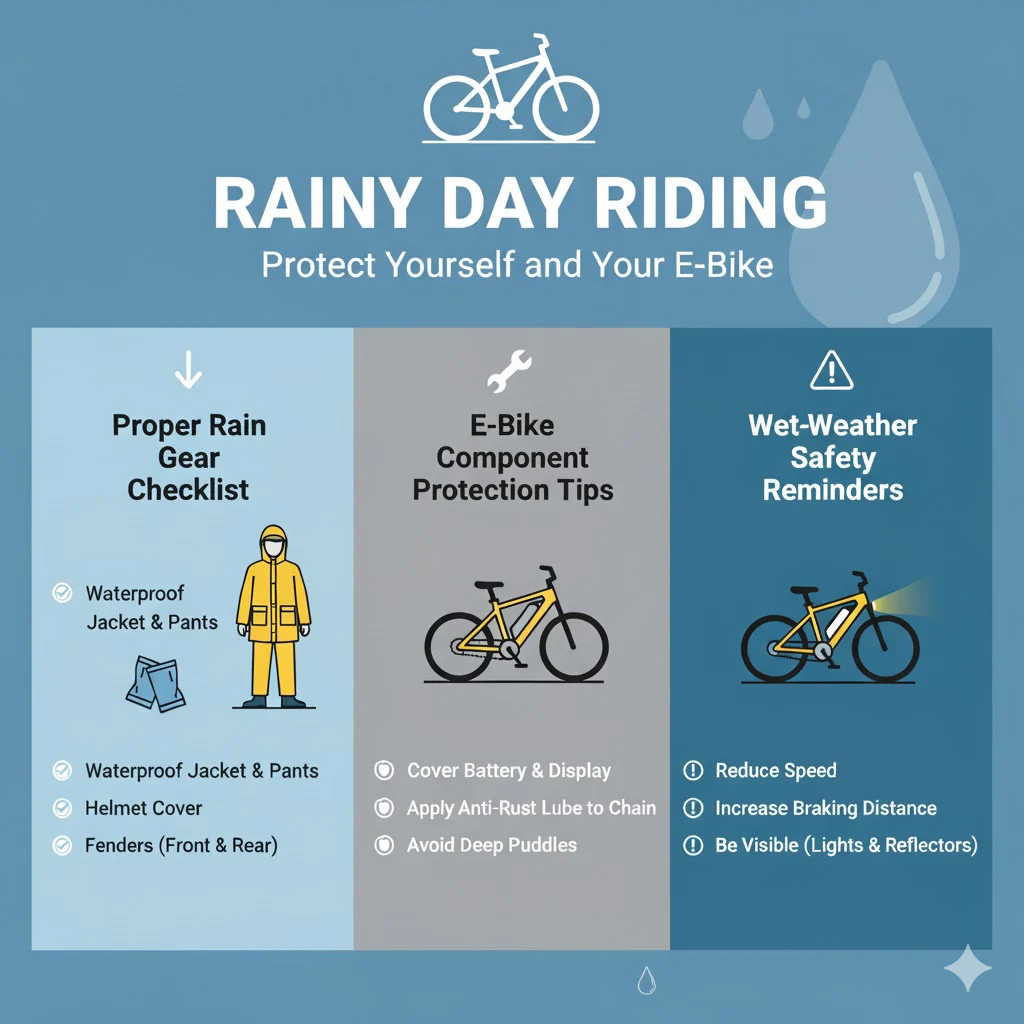
In reality, electric cycles are designed with water-resistant components, including sealed motors and protected electrical systems. Normal rain and wet roads do not pose a problem when basic riding precautions are followed.
As with petrol bikes, safety during rain depends more on speed control, braking distance, and rider awareness than on the vehicle itself.
Myth 4: Batteries Are Unsafe and Can Easily Catch Fire
Battery safety is perhaps the most misunderstood aspect of electric mobility. Stories of battery failures—often involving low-quality products—have created unnecessary fear.
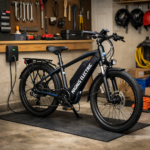
Electric cycles use lithium-ion batteries, a mature and widely used technology found in smartphones, laptops, and electric cars. When manufactured to proper standards and used correctly, these batteries include multiple safety protections against overcharging, overheating, and short circuits.
Most battery incidents reported in the market are linked to poor-quality cells, improper chargers, or unsafe charging practices—not the technology itself.
Myth 5: Electric Cycles Are Too Expensive to Be Practical
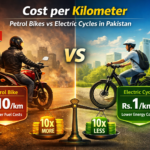
At first glance, an electric cycle may appear expensive when compared to a used petrol bike. However, this comparison often ignores long-term ownership costs.
Electric cycles have:
- Much lower daily running costs
- Minimal maintenance requirements
- No dependency on fluctuating fuel prices
When evaluated over time, especially for daily commuting, electric cycles often prove to be the more economical option.
Myth 6: Electric Cycles Are Only for Young People
There is a perception that electric cycles are suitable only for students or young riders. In reality, electric cycles appeal to a much broader group.
Office commuters, professionals, and even older riders appreciate electric cycles because they:
- Require less physical effort
- Are easy to control
- Offer quiet, stress-free commuting
Electric assistance makes cycling accessible to people who may not want—or be able—to rely solely on physical pedaling.
Why These Myths Persist
Most myths around electric cycles exist because:
- The technology is still new to many people
- Low-quality products have damaged trust
- Accurate information is limited
As awareness grows and quality standards improve, these misconceptions are gradually being replaced with real-world experience.
Final Thoughts
Electric cycles are not a perfect solution for every type of travel—but they are far more capable, reliable, and practical than many people believe.
Understanding the difference between myth and reality is essential before dismissing a technology that has the potential to reduce commuting costs, lower pollution, and simplify daily travel in Pakistan.