Who Should Buy an Electric Cycle — And Who Should Not?
Electric cycles are often presented as a solution for everyone. In reality, no form of transport fits every lifestyle or need. Understanding who an electric cycle is right for—and who it is not— is essential before making a decision.
In Pakistan, where commuting patterns, road conditions, and daily travel needs vary widely, making the right choice depends on how you actually use your vehicle, not on trends or assumptions.
This blog takes an honest, practical look at where electric cycles make sense—and where they don’t.
Who Should Seriously Consider Buying an Electric Cycle


Electric cycles are designed primarily for urban, short-to-medium distance travel. For many people, this aligns perfectly with daily routines.
Students and University Commuters
Students who travel daily to universities or colleges often face rising fuel costs and inconsistent public transport. Electric cycles offer an affordable, independent way to commute without relying on petrol or ride-hailing services. The electric assist reduces physical strain, making regular use practical even in warm weather.
Office Commuters in Cities
Office workers commuting within cities benefit significantly from electric cycles. Traffic congestion, fuel expenses, and parking challenges make daily commuting stressful. Electric cycles are quiet, easy to maneuver, and cost very little to operate, which makes them especially suitable for predictable urban routes.
Household and Daily Errand Use
For short trips such as grocery runs, visiting nearby markets, or moving around housing societies, electric cycles are extremely convenient. They eliminate the need to start a petrol engine for small distances and reduce daily fuel consumption.
Riders Looking for Low-Maintenance Transport
Electric cycles have fewer moving parts than petrol bikes. There is no engine oil, no clutch, and no gearbox. For people who prefer simple ownership and minimal maintenance, this is a major advantage.
From our experience at Magnus Electric, many first-time buyers are surprised by how quickly electric cycles become part of their daily routine once they experience the convenience.
Who Should Think Twice Before Buying an Electric Cycle


Just as important as knowing who electric cycles are for is understanding their limitations.
Long-Distance or Highway Riders
If your daily travel involves highways, high speeds, or long intercity distances, an electric cycle is likely not the right choice. They are not designed for sustained high-speed travel or highway conditions.
Riders Carrying Heavy Loads Regularly
Electric cycles have defined weight limits. If your routine involves carrying very heavy cargo or multiple passengers daily, a petrol motorcycle or other transport option may be more appropriate.
Users Without Reliable Charging Access
While electric cycles can be charged using standard power outlets, having regular access to electricity is important. If charging is consistently inconvenient, ownership may feel restrictive.
Riders Expecting Petrol-Bike Performance
Electric cycles are built for efficiency and control, not aggressive acceleration or top-end speed. If performance and speed are your primary priorities, a petrol bike may better match expectations.
Why Honest Qualification Matters
One reason electric mobility faces skepticism is because products are sometimes sold without clearly explaining their intended use. When expectations and reality do not match, dissatisfaction follows.
Being clear about who electric cycles are and are not for ensures:
- Better ownership experience
- Higher satisfaction
- Long-term trust in the technology
Electric cycles are not a compromise—they are a purpose-built solution for specific types of travel.
Final Thoughts
An electric cycle makes sense if your daily life involves:
- City commuting
- Predictable routes
- Short to medium distances
- A desire to reduce fuel costs and maintenance
It may not be the right choice if your needs revolve around highways, long-distance travel, or heavy-duty usage.
Making an informed decision is the smartest way to adopt any new technology. When used for the right purpose, electric cycles can significantly simplify daily mobility in Pakistan.
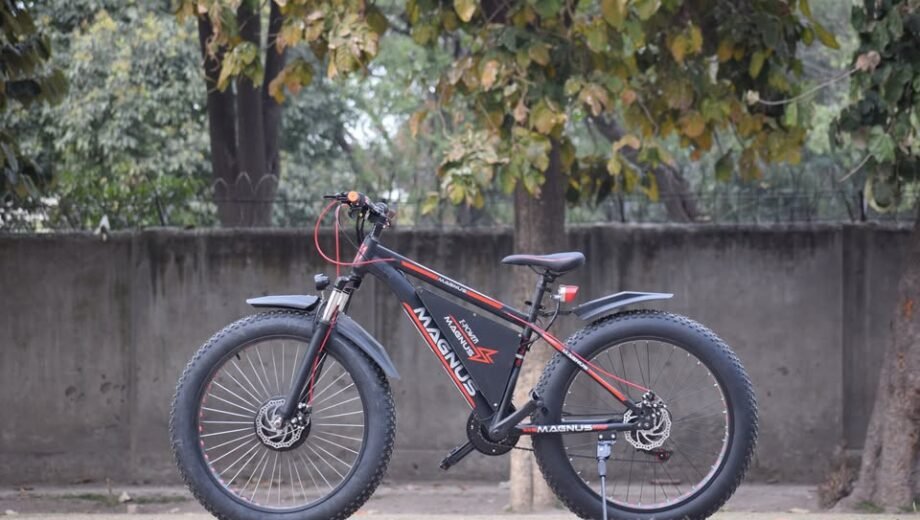
Common Myths About Electric Cycles in Pakistan — And the Truth Behind Them
Electric cycles are gaining attention across Pakistan, but with any new technology—especially one that challenges long-standing habits—misinformation spreads quickly. Many people form opinions based on hearsay rather than real-world understanding.
In Pakistan, where petrol bikes have dominated personal transport for decades, electric cycles are often judged unfairly. This blog addresses the most common myths and explains the reality behind them, so you can make an informed decision.
Myth 1: Electric Cycles Are Not Powerful Enough for Daily Use
One of the most widespread assumptions is that electric cycles are slow or weak. This perception usually comes from comparing them to high-speed petrol bikes or assuming they function like ordinary bicycles.
In reality, electric cycles are designed specifically for urban commuting, not racing or highway travel. Their motors are tuned to deliver consistent power at city-appropriate speeds, making them well-suited for daily travel, traffic signals, and frequent stops.
For commuting within cities, controlled acceleration and steady performance matter far more than top speed—and this is where electric cycles perform well.
Myth 2: Electric Cycles Cannot Handle Pakistani Roads
Another common belief is that electric cycles are too fragile for local road conditions. Given uneven surfaces and poor maintenance in some areas, this concern is understandable.
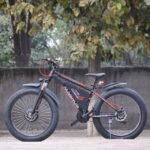
Modern electric cycles are built with reinforced frames, reliable braking systems, and tires designed to absorb everyday road imperfections. Fat-tyre models, in particular, offer added stability and comfort on uneven surfaces.
Like any two-wheeler, electric cycles perform best when used within their intended environment—urban roads, housing societies, campuses, and daily commute routes.
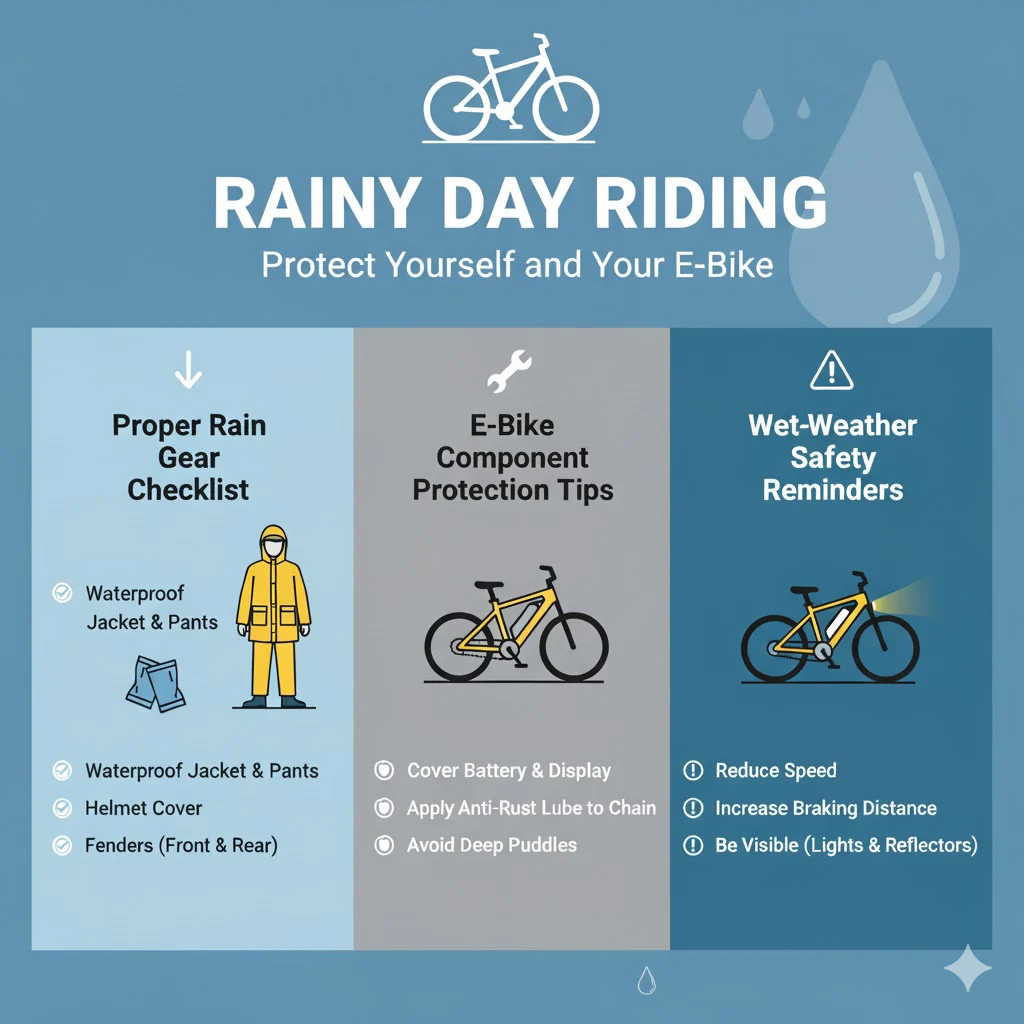
Myth 3: Electric Cycles Are Dangerous in Rain
Rain-related safety concerns often stem from confusion about electricity and water. Many people assume that riding an electric cycle in rain is inherently unsafe.
In reality, electric cycles are designed with water-resistant components, including sealed motors and protected electrical systems. Normal rain and wet roads do not pose a problem when basic riding precautions are followed.
As with petrol bikes, safety during rain depends more on speed control, braking distance, and rider awareness than on the vehicle itself.
Myth 4: Batteries Are Unsafe and Can Easily Catch Fire
Battery safety is perhaps the most misunderstood aspect of electric mobility. Stories of battery failures—often involving low-quality products—have created unnecessary fear.
Electric cycles use lithium-ion batteries, a mature and widely used technology found in smartphones, laptops, and electric cars. When manufactured to proper standards and used correctly, these batteries include multiple safety protections against overcharging, overheating, and short circuits.
Most battery incidents reported in the market are linked to poor-quality cells, improper chargers, or unsafe charging practices—not the technology itself.
Myth 5: Electric Cycles Are Too Expensive to Be Practical
At first glance, an electric cycle may appear expensive when compared to a used petrol bike. However, this comparison often ignores long-term ownership costs.
Electric cycles have:
- Much lower daily running costs
- Minimal maintenance requirements
- No dependency on fluctuating fuel prices
When evaluated over time, especially for daily commuting, electric cycles often prove to be the more economical option.
Myth 6: Electric Cycles Are Only for Young People
There is a perception that electric cycles are suitable only for students or young riders. In reality, electric cycles appeal to a much broader group.
Office commuters, professionals, and even older riders appreciate electric cycles because they:
- Require less physical effort
- Are easy to control
- Offer quiet, stress-free commuting
Electric assistance makes cycling accessible to people who may not want—or be able—to rely solely on physical pedaling.
Why These Myths Persist
Most myths around electric cycles exist because:
- The technology is still new to many people
- Low-quality products have damaged trust
- Accurate information is limited
As awareness grows and quality standards improve, these misconceptions are gradually being replaced with real-world experience.
Final Thoughts
Electric cycles are not a perfect solution for every type of travel—but they are far more capable, reliable, and practical than many people believe.
Understanding the difference between myth and reality is essential before dismissing a technology that has the potential to reduce commuting costs, lower pollution, and simplify daily travel in Pakistan.

Are Electric Cycles Safe to Use on Pakistani Roads and in Local Weather?
When people first consider switching to an electric cycle, safety is usually the first concern. This is understandable. Roads in Pakistan vary widely in quality, traffic can be unpredictable, and weather conditions range from intense summer heat to monsoon rains.
So the real question is not whether electric cycles are safe in theory—but whether they are safe in the real-world conditions of Pakistan.
This blog addresses that concern honestly and practically.
Understanding Safety in the Pakistani Context
Safety is not a single feature; it is a combination of road conditions, riding environment, vehicle design, and rider behavior. Electric cycles are designed primarily for urban mobility, which means their safety depends heavily on whether they are used for the purpose they are built for.
In cities, most daily travel involves short to medium distances, moderate speeds, and frequent stops. These are exactly the conditions where electric cycles are meant to operate.
How Electric Cycles Perform on Pakistani Roads


Urban roads in Pakistan often include uneven patches, speed breakers, and congested traffic. Electric cycles are generally well-suited for this environment because they are lightweight, easy to control, and designed for stable low-to-medium-speed travel.
Most modern electric cycles are built with reinforced frames and dependable braking systems. Fat-tyre models, in particular, offer additional stability on uneven surfaces and poorly maintained roads. When used within cities and residential areas, electric cycles provide predictable handling and good balance.
It is important to be clear, however, that electric cycles are not designed for highways or high-speed intercity travel. Using them within their intended limits is a key part of staying safe.
Riding in Traffic: Control and Predictability
City traffic is often stop-and-go, which can be tiring on petrol bikes due to clutch and gear usage. Electric cycles offer smoother power delivery, which makes them easier to control in congested areas.
Acceleration is gradual and predictable, reducing the risk of sudden jerks or loss of balance. For students and office commuters, this makes daily riding less stressful and more manageable, especially during peak hours.
Are Electric Cycles Safe in Rain and Dust?


Rain and dust are common concerns, particularly during the monsoon season. Electric cycles are designed with water-resistant components, including sealed motors and protected wiring. This allows them to handle normal rain and wet roads without issue.
That said, safety in rain depends more on riding habits than on the vehicle itself. Reduced speed, controlled braking, and avoiding deep standing water are important for any two-wheeler—electric or petrol.
Dust is less of a problem for electric cycles because they do not rely on air-fuel combustion. With fewer exposed mechanical parts, regular cleaning and basic care are usually enough to keep performance consistent.
Battery Safety: Separating Fact from Fear
Battery safety is often misunderstood, largely due to misinformation in the market.
Electric cycles use lithium-ion batteries, the same technology used in everyday devices such as smartphones and laptops. These batteries are designed with built-in protection systems that prevent overcharging, overheating, and short circuits when used correctly.
From our experience at Magnus Electric, most battery-related issues reported in the broader market are not caused by the technology itself, but by poor-quality components, improper charging practices, or lack of after-sales guidance. Choosing a well-built electric cycle and following recommended usage practices significantly reduces risk.
Heat and Summer Usage in Pakistan
High temperatures are a reality in many parts of Pakistan. Electric cycles are built to operate safely within normal urban temperature ranges, but responsible use plays an important role.
Simple practices such as avoiding prolonged parking in direct sunlight, charging in ventilated areas, and following manufacturer guidelines help maintain battery health and overall safety during summer months.
Rider Responsibility: The Most Important Safety Factor
No vehicle can compensate for unsafe riding habits. Electric cycles are safest when riders:
- Follow traffic rules
- Wear protective gear such as helmets
- Maintain reasonable speeds
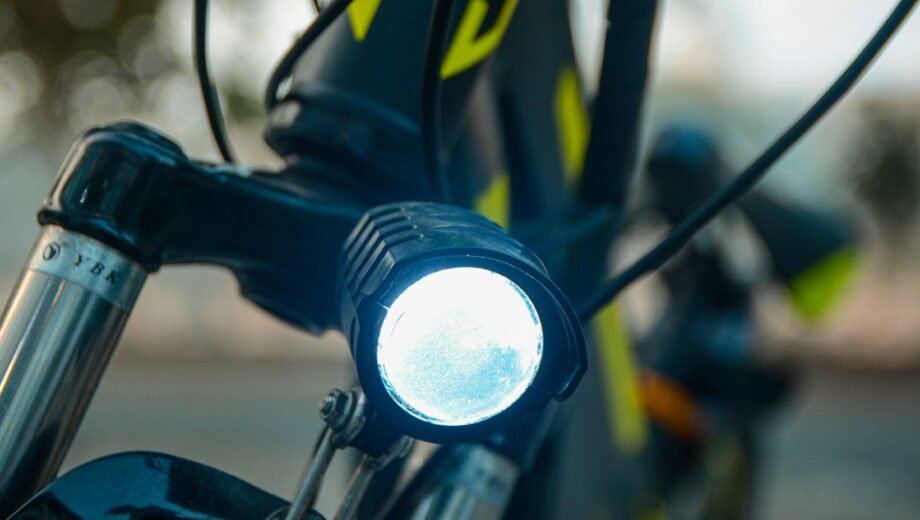
- Use lights in low-visibility conditions
Electric cycles naturally encourage calmer riding due to their design, which can reduce aggressive behavior commonly seen with petrol bikes.
Who Should Be More Cautious?
Electric cycles may not be suitable if your daily use involves:
- High-speed highway riding
- Very long-distance travel
- Carrying extremely heavy loads regularly
Understanding these limitations is part of safe and responsible ownership.
Final Thoughts
Electric cycles are safe to use on Pakistani roads and in local weather conditions when they are used as intended and maintained properly. For urban commuters, students, and everyday city riders, they offer a controlled, quiet, and low-stress alternative to petrol bikes.
Safety is not about eliminating all risk—it is about choosing the right vehicle for the right purpose. In that context, electric cycles fit well into the realities of daily urban mobility in Pakistan.
Electric Cycle vs Petrol Bike: Which Makes Sense for Daily Commute in Pakistan?
For decades, petrol bikes have been the default choice for personal transportation in Pakistan. But with rising fuel prices, worsening air pollution, and increasing daily commute costs, many people are now asking:
Is an electric cycle a better option than a petrol bike for daily commuting in Pakistan?
This blog provides a clear, practical comparison—without hype—so you can decide what actually makes sense for your lifestyle.
Why This Comparison Matters in Pakistan
Daily commuting is no longer just about convenience. In Pakistan, it is now closely tied to:
- Fuel price volatility
- Monthly household expenses
- Traffic congestion
- Air quality in major cities
Choosing the right two-wheeler can significantly impact both your budget and quality of life.
Understanding the Core Difference
Before comparing costs and performance, it is important to understand what fundamentally separates an electric cycle from a petrol bike.
- A petrol bike uses an internal combustion engine that runs on fuel.
- An electric cycle uses an electric motor powered by a rechargeable battery.
This single difference affects everything—from running costs to maintenance and environmental impact.
Running Cost Comparison: Electricity vs Petrol


Petrol Bike
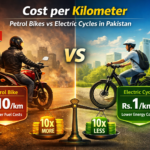
- Average fuel cost per kilometer: ~Rs. 8/km (varies with fuel prices)
- Daily commuting cost increases whenever fuel prices rise
- Monthly fuel expense becomes a fixed financial burden
Electric Cycle
- Average electricity cost per kilometer: ~Rs. 1/km
- Electricity prices are significantly more stable than petrol
- Daily commuting costs remain predictable
For someone commuting daily within the city, this difference adds up quickly over a month and a year.
Maintenance and Ownership Experience
Petrol Bike Maintenance
Petrol bikes require:
- Engine oil changes
- Regular servicing
- Spark plugs and filters
- Mechanical repairs over time
Maintenance costs increase as the bike ages.
Electric Cycle Maintenance
Electric cycles have:
- No engine oil
- No clutch or gearbox
- Fewer moving parts
As a result, maintenance is simpler, less frequent, and more affordable—especially for daily urban use.
Noise, Comfort, and City Riding
Petrol bikes:
- Produce engine noise and vibration
- Generate heat during long rides
- Are less comfortable in stop-and-go traffic
Electric cycles:
- Are quiet and smooth
- Perform well in traffic congestion
- Offer a more relaxed riding experience for short to medium distances
For city commuting, especially in congested areas, this difference is noticeable.
Environmental Impact: A Growing Concern
Petrol bikes contribute directly to:
- Urban air pollution
- Noise pollution
- Carbon emissions
Electric cycles produce no tailpipe emissions. While electricity generation may involve emissions, shifting daily commutes away from petrol significantly reduces pollution at street level—where people live and breathe.
For cities struggling with smog and poor air quality, electric two-wheelers offer a practical improvement.
Speed, Range, and Practical Use
It is important to be realistic.
Petrol Bikes Are Better If:
- You travel long distances daily
- You require high-speed highway riding
- You frequently carry heavy loads
Electric Cycles Are Better If:
- Your daily commute is within the city
- You travel moderate distances
- You want lower running costs and simpler ownership
Electric cycles are not designed to replace every petrol bike—but they are ideal for daily urban commuting.
Which One Makes Sense for You?
An electric cycle may be the better choice if you:
- Commute daily within the city
- Want to reduce monthly fuel expenses
- Prefer low maintenance
- Value quieter, cleaner transportation
A petrol bike may still make sense if:
- You regularly travel long distances
- You require higher speeds
- You frequently ride on highways
The right choice depends on how you actually use your vehicle—not habit or tradition.
Final Thoughts
In Pakistan’s current economic and environmental landscape, the electric cycle is no longer just an alternative—it is a practical solution for daily commuting.
For many students and office workers, switching from a petrol bike to an electric cycle can mean:
- Predictable monthly expenses
- Lower maintenance stress
- Cleaner urban living
In the next blog, we will address one of the most common concerns people have before switching: safety and reliability on Pakistani roads.
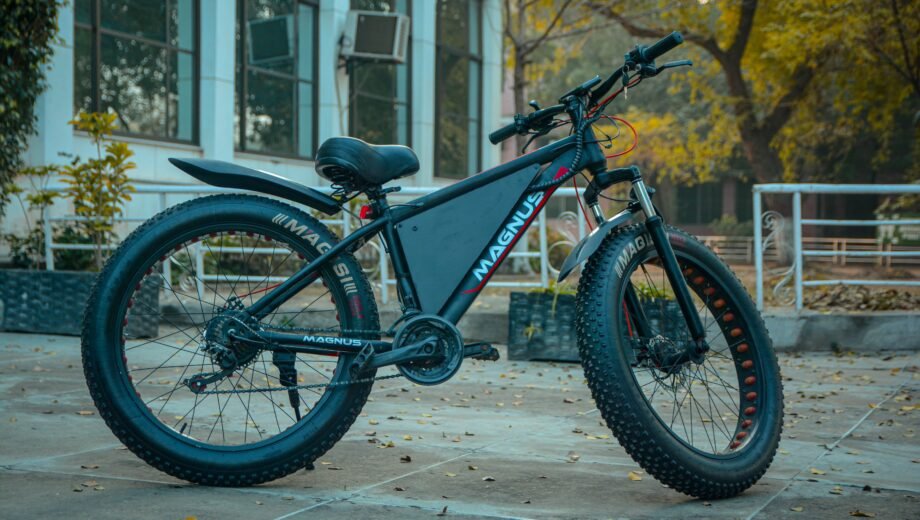
What Is an Electric Cycle and How Does It Work in Pakistan?
Personal mobility in Pakistan is changing. With rising fuel prices, increasing traffic congestion, and worsening air pollution, many people are now asking a simple but important question:
What exactly is an electric cycle—and can it really work in Pakistan?
This blog is written for anyone who is hearing about electric cycles for the first time and wants a clear, honest explanation without technical jargon.
What Is an Electric Cycle?
An electric cycle is a bicycle that uses an electric motor and a rechargeable battery to assist your movement. Unlike petrol bikes, it does not require fuel, oil changes or engine maintenance.
You can ride an electric cycle in two ways:
- Pedal-assisted: You pedal, and the motor helps reduce effort
- Throttle-assisted: The motor moves the cycle without pedaling (depending on the model)
This makes electric cycles ideal for:
- Daily commuting
- Short city travel
- Students and office workers
- Fitness and recreational riding
Most importantly, electric cycles produce no tailpipe emissions, making them a clean alternative for urban transport in Pakistan.
How Does an Electric Cycle Work?
At its core, an electric cycle uses a simple and reliable system designed for everyday use.


1. Electric Motor
The motor provides power to move the cycle forward. When you accelerate or pedal, the motor assists you, making riding easier—especially on inclines or long routes.
2. Rechargeable Battery
The battery stores electricity that powers the motor. It is rechargeable using a standard household power socket, just like a laptop or mobile phone.
3. Controller
This is the “brain” of the electric cycle. It manages how much power the motor uses based on speed and riding conditions.
4. Throttle and Pedals
You control the cycle either by pedaling, using the throttle, or a combination of both—giving flexibility based on your comfort and fitness level.
How Is an Electric Cycle Different from a Petrol Bike?
Many people confuse electric cycles with petrol bikes. The difference is significant.
Key Differences at a Glance
- Fuel vs Electricity
Petrol bikes run on fuel. Electric cycles run on electricity. - Maintenance
Petrol bikes require engine servicing, oil changes, and frequent repairs.
Electric cycles have fewer moving parts and much lower maintenance needs. - Noise and Pollution
Petrol bikes are noisy and polluting.
Electric cycles are quiet and emission-free. - Daily Cost
Petrol bikes are affected by fuel price hikes.
Electric cycles cost a fraction per kilometer to operate.
For short to medium daily commutes, electric cycles offer a simpler and cleaner solution.
Can Electric Cycles Work in Pakistan?
This is the most common concern—and the answer is yes, when used correctly.
1. Road Conditions
Electric cycles are well-suited for:
- City roads
- Housing societies
- University campuses
- Office routes
- Short urban commutes
They are not designed for highways or high-speed intercity travel—and understanding this builds realistic expectations.
2. Electricity and Charging
Electric cycles can be charged:
- At home
- In apartments
- In offices
Charging typically takes a few hours and uses very little electricity compared to household appliances.
Even with load-shedding, most users charge overnight or during off-peak hours without inconvenience.
3. Weather and Safety
Modern electric cycles are designed to handle:
- Heat
- Dust
- Normal rain conditions
Like any two-wheeler, sensible riding and basic care ensure long-term reliability.
Who Is an Electric Cycle Best For?
Electric cycles are especially suitable for:
- Students commuting to universities or colleges
- Office workers traveling daily within the city
- Household users running local errands
- Fitness enthusiasts who want assisted cycling
They are ideal for people who want independence from fuel prices without compromising convenience.
Why Electric Cycles Matter for Pakistan’s Future
Pakistan faces two growing challenges:
- Rising air pollution in major cities
- Increasing cost of personal transportation
Electric cycles address both by offering:
- Clean mobility
- Affordable daily commuting
- Reduced dependence on imported fuel
As cities grow and traffic increases, electric two-wheelers are becoming a practical part of urban mobility—not a trend, but a necessity.
Final Thoughts
An electric cycle is not meant to replace every vehicle on the road. It is designed to replace unnecessary petrol usage for short, daily trips.
For many Pakistanis, it represents:
- Lower running costs
- Simpler ownership
- Cleaner living